

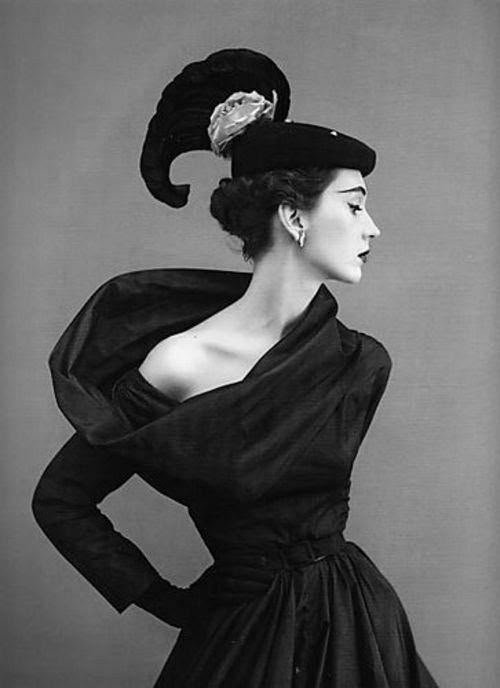
Elsa Schiaparelli’s fingerprints are everywhere in fashion since the 1930’s, yet her name is often absent from the conversation. While designers are quick to reference surrealism and absurdity, the origin of these ideas can be traced back to the master of surrealism herself – Elsa Schiaparelli.
Where fashion becomes art
Throughout her career, Schiaparelli was inseparable form the surrealist movement, particularly because of her collaborations withe artists such as Salvador Dali and Jean Cocteau.
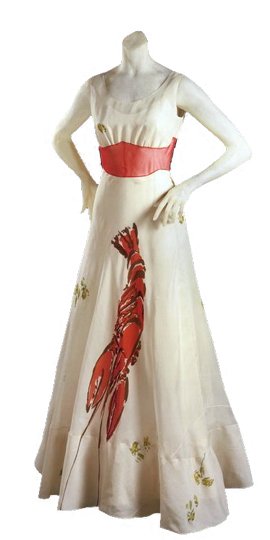
At a time when couture was still largely about elegance, Schiaparelli introduced garments that made people uncomfortable in the best way. The now iconic lobster dress, designed with Dali, wasn’t just provocative – it blurred the lined between body and object. A simple while silk gown became a canvas for humour and the subconscious.
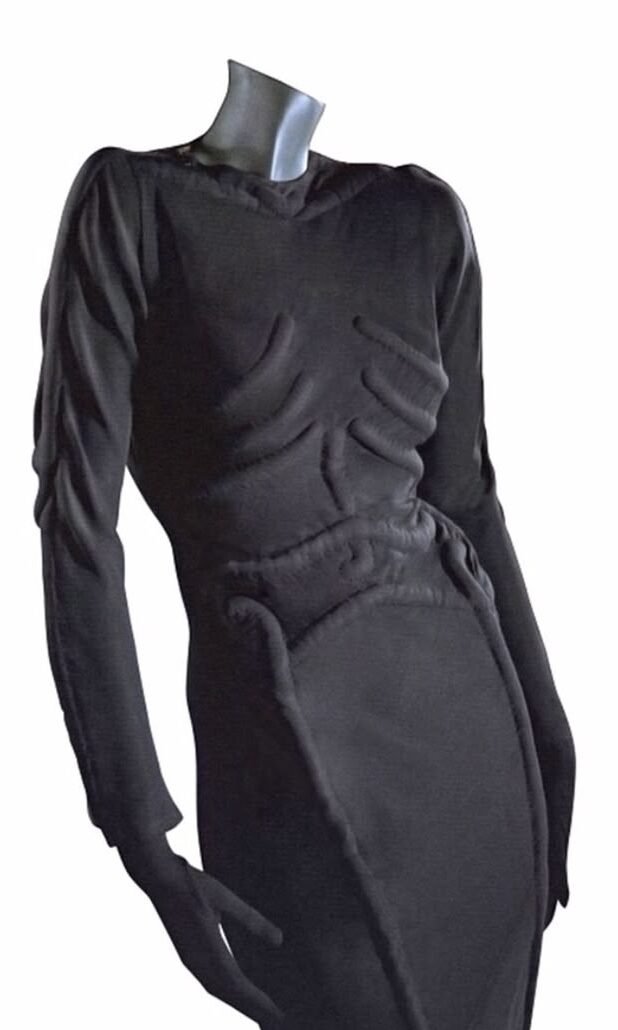
Her skeleton dress (1938), with padded ribs and spine, transformed the body into something uncanny. Her shoe hat turned logic into an ornament.
These were early explorations of fashion as a narrative, creating a path for many more designers to come – inspiring many designers including Galliano, McQueen, Westwood, and Alaïa
Why her influence feels forgotten
Compared to other designers such as Coco Chanel, her influence feels less commercially visible. Chanel’s legacy lives in timeless staples; tweed jackets, LBD’s, and pearls. Schiaparelli’s influence on the other hand, lies in disruption.
Surrealism on today’s runways
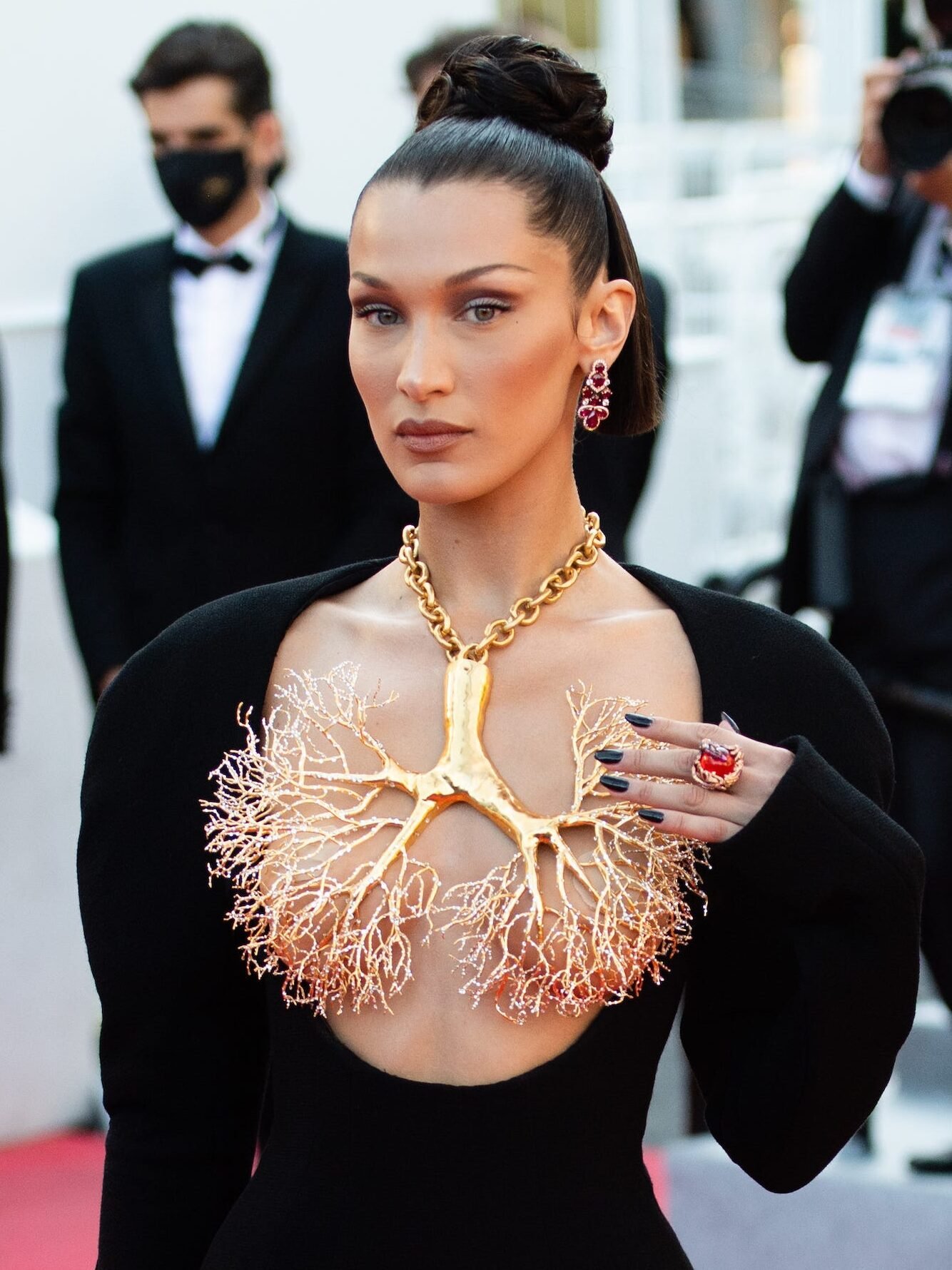
Schiaparelli’s influence is more visible than ever under Daniel Roseberry’s creative direction.
His designs – gold plated lungs worn as necklaces, anatomical jewelry, and exaggerated facial features feel like a direct descent of Schiaparelli’s origins. Roseberry updates surrealism for a contemporary image.
Beyond Schiaparelli, the surrealist impulse has spread across fashion. Designers experiment with optical illusions and garments that question the body itself. Whether its through hyper-realistic prints, patterns, or exaggerated proportions, the goal remains the same: ro destabilize what we think clothing should be.
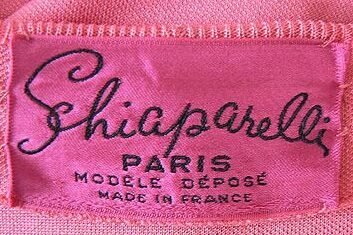
The Shocking Pink
Even elements we take for granted – bold, almost aggressive colour choices, unexpected emnellishments, and theatrical presentation – all can be traced back to Schiaparelli. Her signature “shocking pink” wasn’t just a colour, it was a statement.
Introduced in 1937, alongside her perfume “shocking”, this vivid, electric pink was deliberately created to provoke a reaction. Schiaparelli describe the colour as alive, something that could not be ignored.
At the time, fashion was still polite, navy, black, and ivory palettes dominated fashion. Schiaparelli flipped that completely. It challenged ideas of femininity and taste. Instead of being comfortable, it was powerful and slightly unsettling, very much in line with her surrealist approach.
Under Daniel Roseberry, the house still returns to the shocking pink as a visual anchor, even when the collections lean easily into gold or black, the jolt of pink reappeares as a reminder of Elsa herself.
Why it matters
In an era of fashion saturated withe references, nostalgia, and rapid trend cycles, Schiaparelli’s work offers something different – rooted in originality, not just aesthetics. Designers today often look back for inspiration, but Schiaparelli was imagining forward. That’s what makes her influence so powerful.
Loved this keep it up!!